A straight-line check does not qualify rotation. Trace the swept body, visible targets, selected monitor zone and command response before accepting angular-motion coverage.
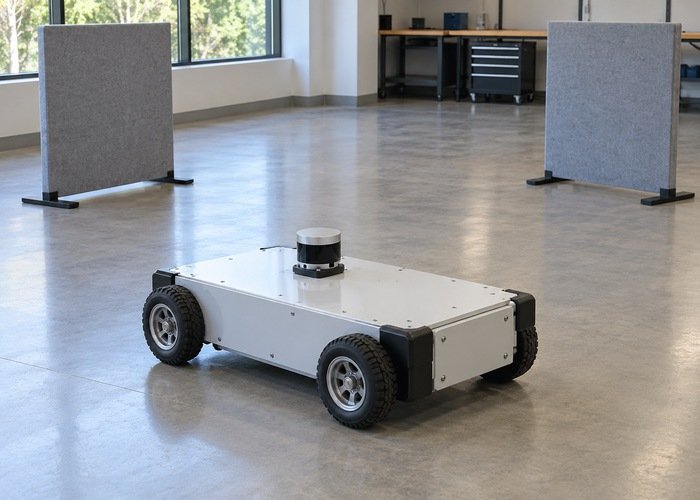

A straight-line check does not qualify rotation. Trace the swept body, visible targets, selected monitor zone and command response before accepting angular-motion coverage.
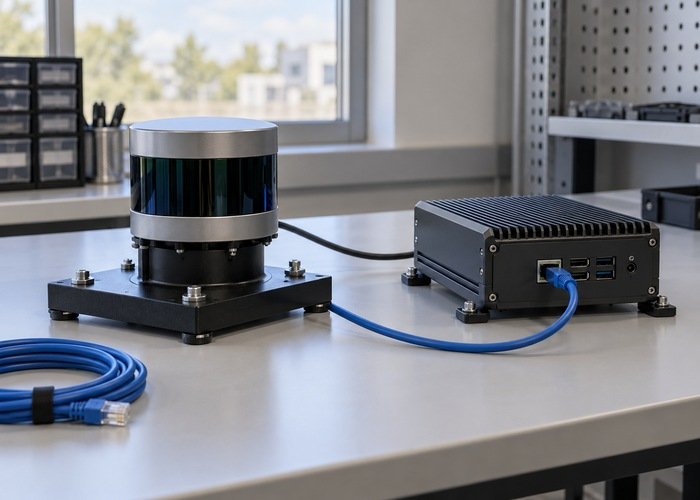
A restarted process does not prove navigation is active. Trace sensor output, subscriptions, TF, managed states, bonds and the final command path after a controlled restart.
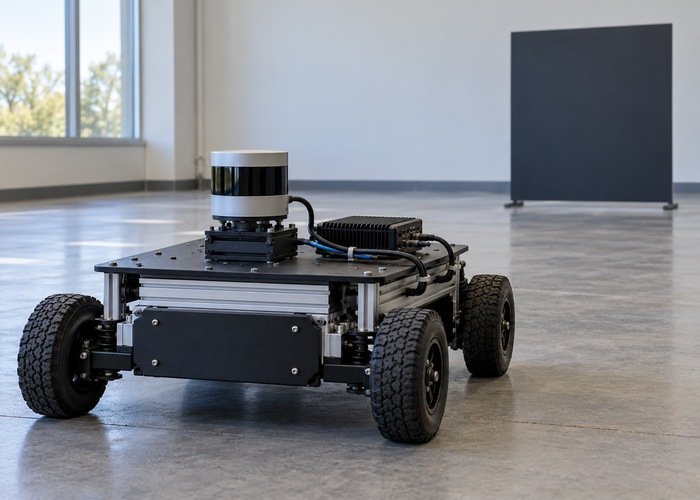
Separate stale input from subscription, clock and transform problems. Preserve Collision Monitor stop behavior while testing the exact source and command boundaries.
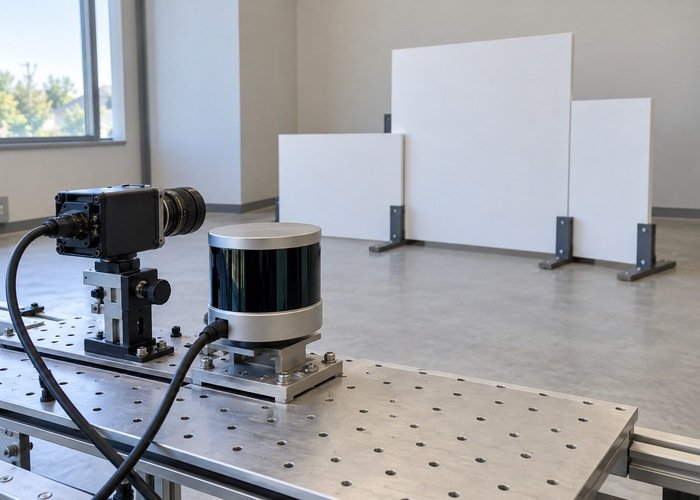
Check frame conventions and the projection chain before collecting another calibration dataset. Use asymmetric targets and intermediate coordinates to isolate interpretation errors.
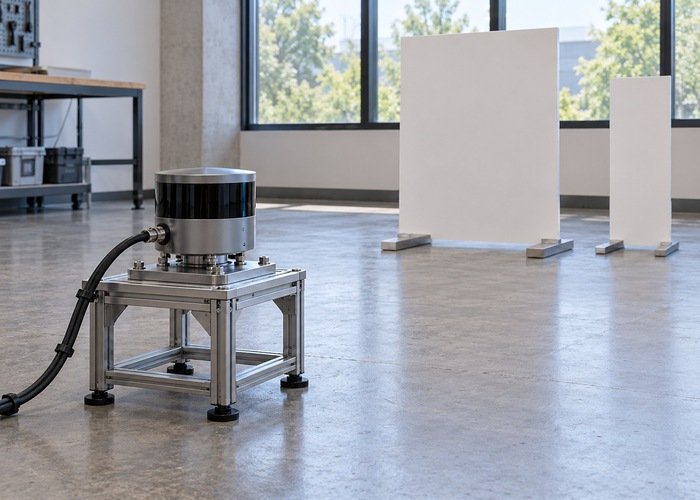
Trace the first projection stage that rejects a known target. Distinguish no messages, empty scan bins, and downstream rejection before replacing a working LiDAR.
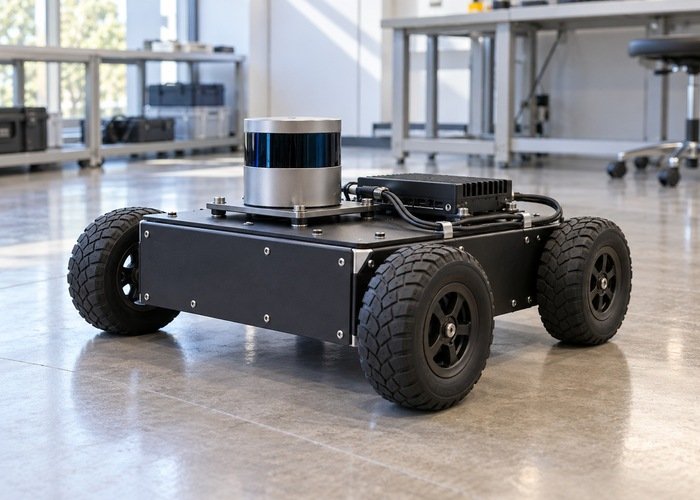
Separate clock mismatch from transform arrival and history problems. Preserve error timestamps, inspect the listener, and validate a correction without hiding stale geometry.
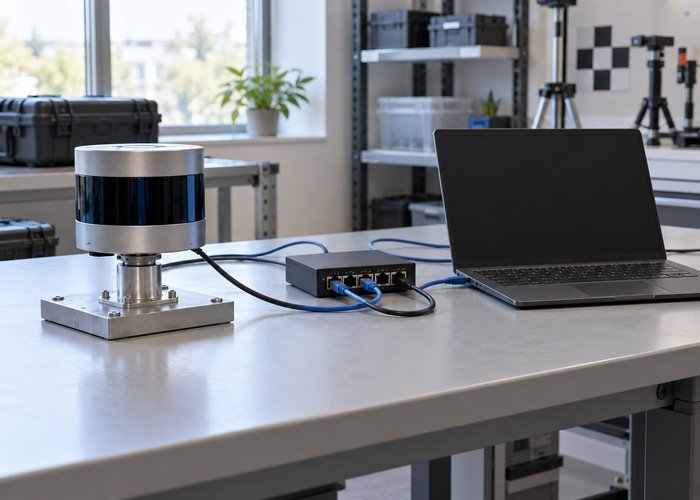
Give another engineer enough evidence to reproduce a LiDAR fault. Organize versions, topology, bounded captures, timing context, and a sanitized, testable handoff.
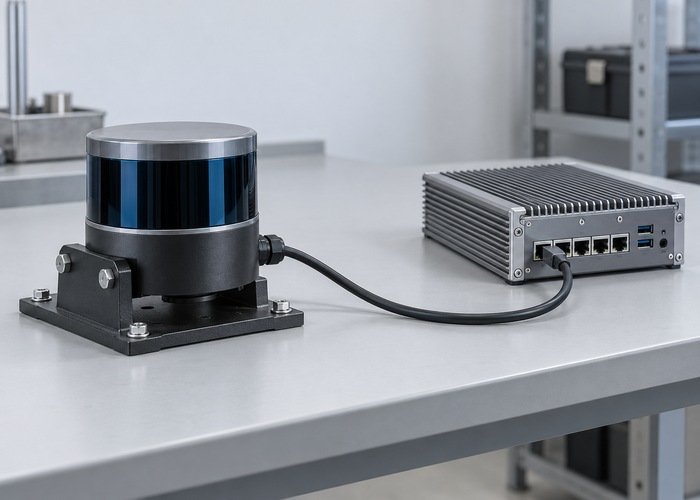
Check message contracts before deploying a LiDAR driver revision. Preserve baseline evidence, compare field and time semantics, and validate consumers on fixed inputs.
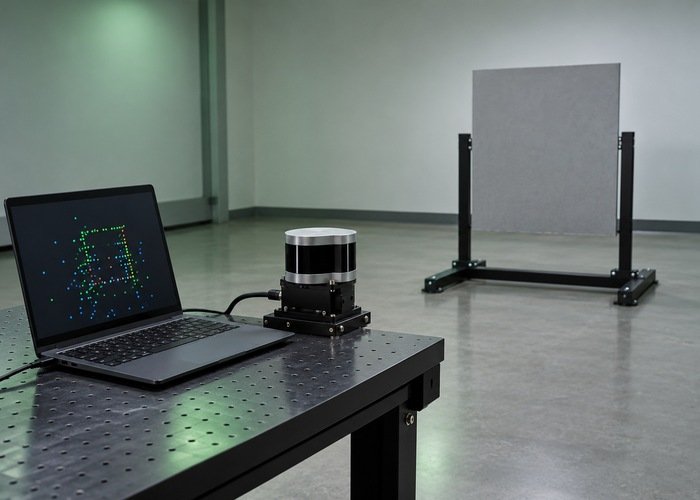
A boundary-by-boundary diagnostic for a valid PointCloud2 that never produces Nav2 occupied cells, with a stationary target test and evidence worksheet.
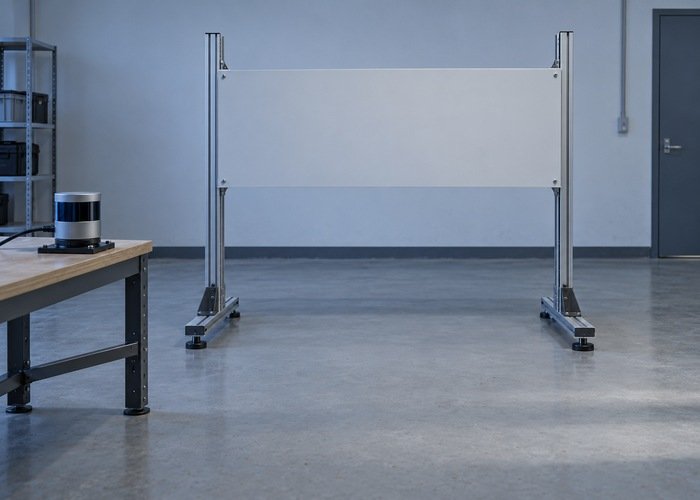
A source-to-grid diagnostic and measured target-height matrix for overhanging obstacles visible in LiDAR but missing from a Nav2 costmap.
 ST-X07
 ST-P136 FPV Drone
Original price was: $968.00.$958.00Current price is: $958.00.
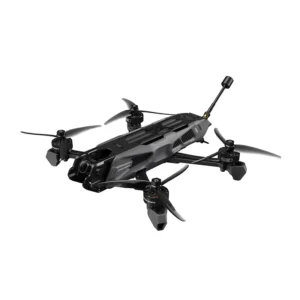 ST-X07 FPV Drone
Original price was: $866.00.$862.00Current price is: $862.00.
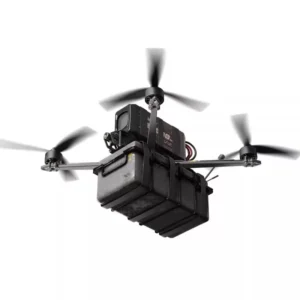 ST-X10 FPV Drone
Original price was: $642.00.$638.00Current price is: $638.00.
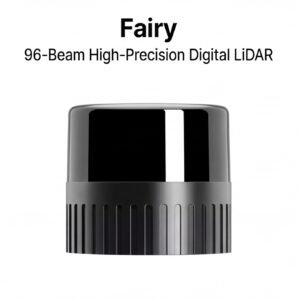 RoboSense B-peael
Original price was: $2,300.00.$2,015.00Current price is: $2,015.00.
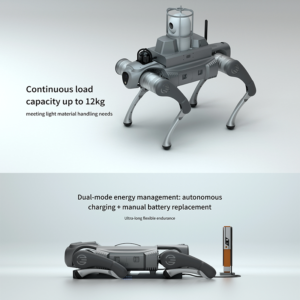 Robotic Dog-C1 Series
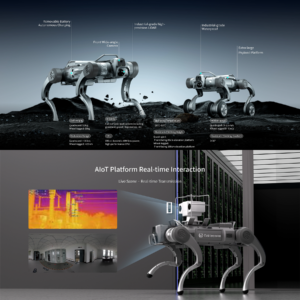 Robotic Dog-E1 Series
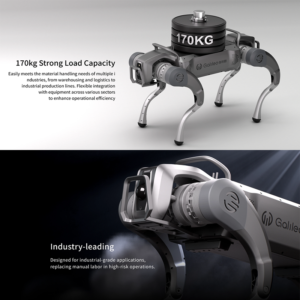 Robotic Dog-S1 Series