Your Cart

The Go-To Supermarket for Affordable LiDAR Sensors!

Email:info@lidarstar.com

coherent detection for 3D LiDAR sensor applications

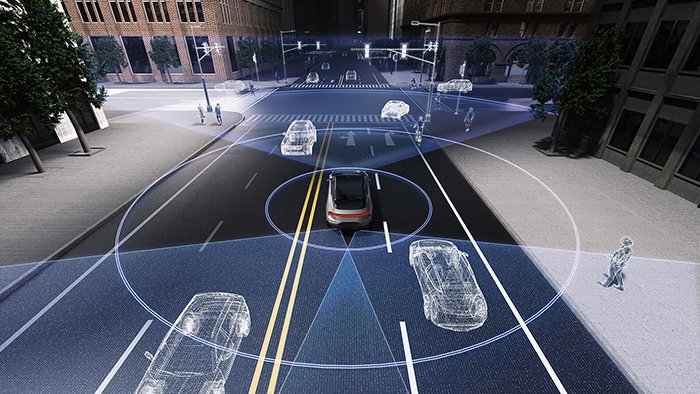
FMCW vs. ToF LiDAR: The Key to Level 4 Autonomous Vehicles

Two fundamentally different physical principles separate legacy LiDAR from the next generation — and that gap now determines whether autonomous vehicles can safely navigate the real world. ToF operates like a stopwatch. The sensor fires a discrete laser pulse, then counts the nanoseconds until that pulse returns. As detailed in LidarStar’s detailed technical overview, ToF […]


flash lidar vs scanning lidar for flash LiDAR sensor applications

Solid-State vs. Mechanical LiDAR: The Future of L4 Autonomy

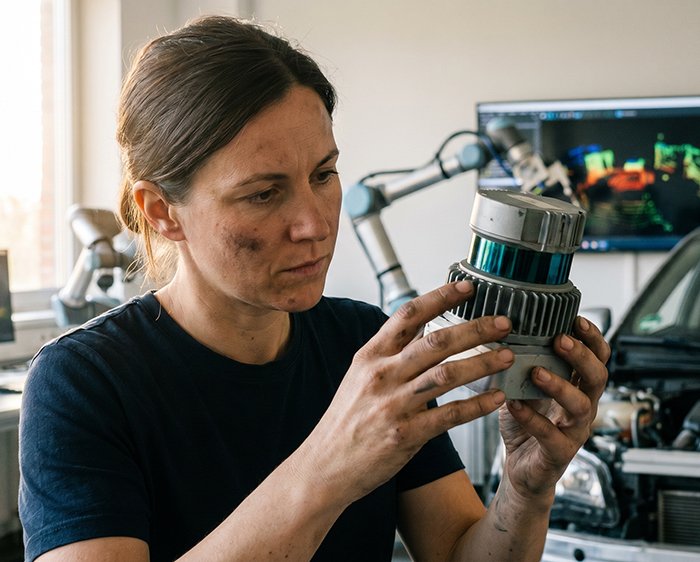
Mechanical LiDAR sensors are engineering marvels built for laboratories — but the demands of Level 4 autonomy are systematically exposing every fragility they carry. At the core of every spinning LiDAR unit sits a stack of high-speed rotating mirrors, motors, and precisely aligned optical assemblies cycling thousands of times per minute. Each revolution introduces micro-stress […]

2D Navigation LiDAR for 2D LiDAR sensor applications

Why 3D Mechanical LiDAR Is the Gold Standard for Autonomy

Solid-state and vision-only systems have dominated headlines, but 3d mechanical lidar continues to define the operational baseline for autonomous systems that cannot afford to guess. The “cameras are enough” argument sounds compelling in controlled demos. In practice, depth perception from stereo vision degrades with lighting changes, texture-poor environments, and high-speed motion — exactly the conditions […]

Flash LiDAR Sensors for flash LiDAR sensor applications

Flash LiDAR vs Scanning: The Future of Autonomous Reliability

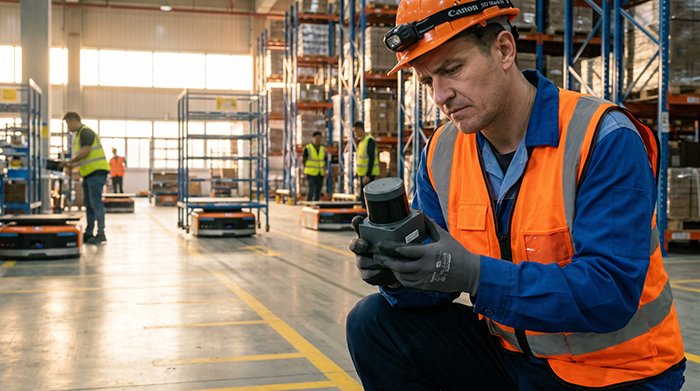
Mechanical LiDAR systems have a fundamental problem — they spin. In high-vibration environments like autonomous forklifts, industrial drones, and highway-speed vehicles, that rotation becomes a liability. Bearings wear. Alignment drifts. Calibration degrades the moment a sensor takes a hard knock on a loading dock or an unpaved road. For applications where perception failure isn’t an […]

Automotive LiDAR for automotive LiDAR sensor applications

FMCW & Solid-State LiDAR: The Future of Level 4 Autonomy

Picture a camera-equipped vehicle at dusk, navigating a westbound highway directly into a low sun. The sensor is effectively blind — washed out by glare, unable to distinguish a stopped vehicle from an empty lane. Now add a rain-slicked road at midnight. That’s not an edge case. That’s Tuesday. This is precisely why lidar for […]

3D LiDAR Sensors for 3D LiDAR sensor applications

The Evolution of Spatial Intelligence: From 2D Navigation to 3D Awareness

For decades, industrial robots and autonomous systems relied on 2D LiDAR to navigate their environments — scanning a single horizontal plane and flagging anything that broke that invisible line. It worked, until it didn’t. Shelving units, stacked pallets, low-hanging conveyor belts, and workers crouching below sensor height all became invisible threats. The flat world of […]

Robotics LiDAR for robotics LiDAR sensor applications

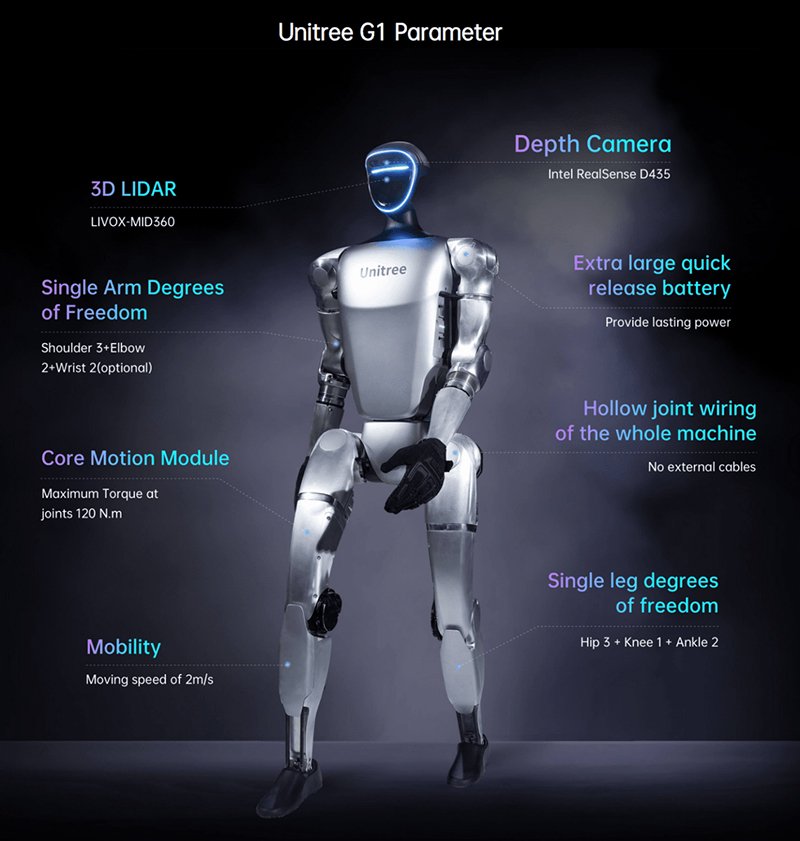
Hybrid LiDAR Architectures: The Future of Autonomous Robotics

Every shift, somewhere on a warehouse floor, a robot stops. Not because of a software bug or a navigation error — but because a spinning mirror assembly finally gave out under the relentless combination of vibration, dust, and continuous 24/7 rotation. This is the quiet tax that mechanical LiDAR has been charging industrial operations for […]

2D LiDAR Sensors for 2D LiDAR sensor applications

The Strategic Case for 2D LiDAR in Modern Autonomy

The robotics industry has a 3D obsession. More dimensions, more data, more capability — it sounds like an obvious win. But in the real world of factory floors, warehouse aisles, and logistics hubs, that assumption quietly falls apart every single day. 2D LiDAR is a single-plane laser scanner that fires a rotating laser beam across […]

Automotive LiDAR for automotive LiDAR sensor applications

The LiDAR Inflection Point: From R&D Prototypes to Mass Production

Not long ago, automotive LiDAR was the exclusive domain of research vehicles bristling with expensive, fragile spinning sensors — impressive at conferences, impractical on driveways. That era is ending fast. The industry’s central question has shifted from “can it work?” to “can it survive a decade of potholes, temperature swings, and highway grit?” Durability, cost-per-unit, […]

3D LiDAR Sensors for 3D LiDAR sensor applications

Why 3D LiDAR is Essential for Level 3 Autonomous Driving

Picture this: an autonomous shuttle traveling at 45 mph encounters a debris field scattered across three lanes. Its camera system, blinded by oncoming headlights, misreads flat shadows as clear pavement. Its 2D lidar sensor sweeps a single horizontal plane and detects nothing above bumper height. The system hesitates. That half-second gap is where Level 3 […]

Product Enquiry