Solid-State LiDAR Types practical guide with field checks and application guidance.
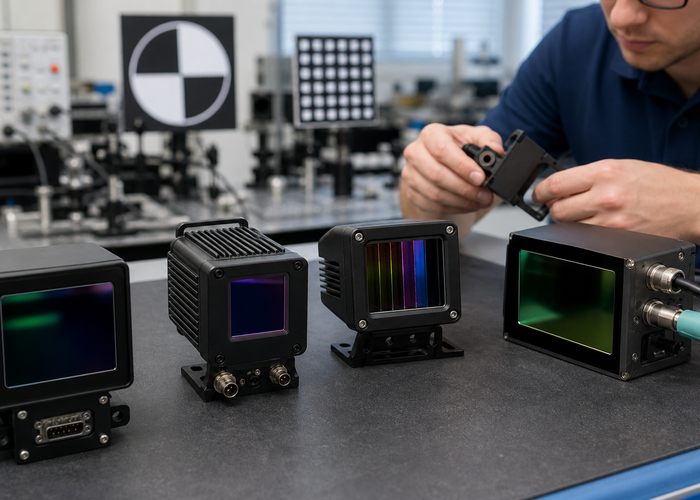

Solid-State LiDAR Types practical guide with field checks and application guidance.
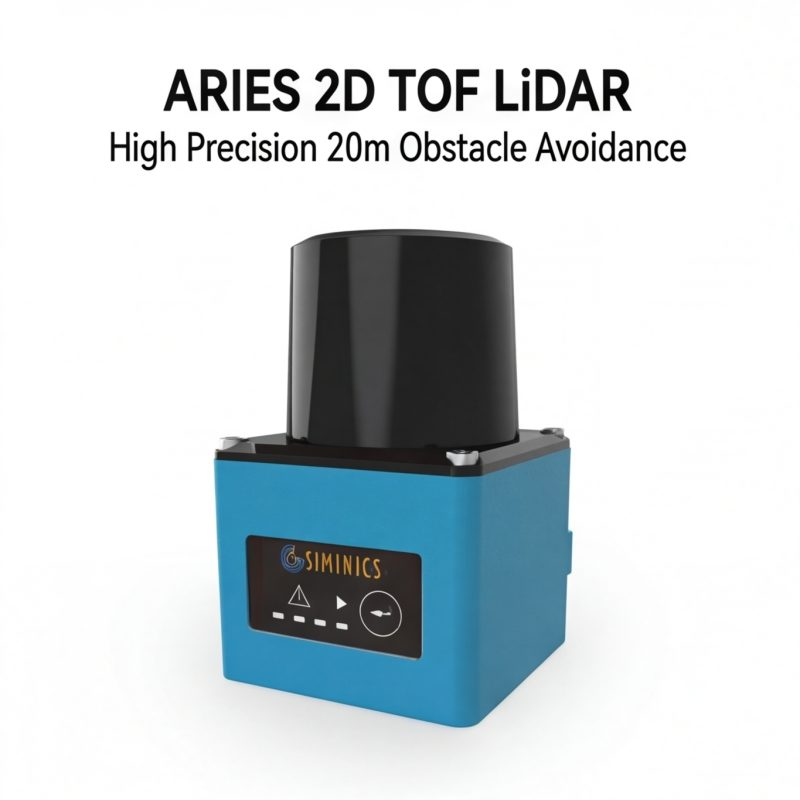
Most autonomous robots are built to see far — but the collisions happen close. That fundamental mismatch defines one of the most underappreciated risks in modern robotics, and it’s why 3D blind spot compensation LiDAR is rapidly shifting from optional upgrade to core safety requirement. Long-range LiDAR systems are architecturally optimized for the horizon, not […]
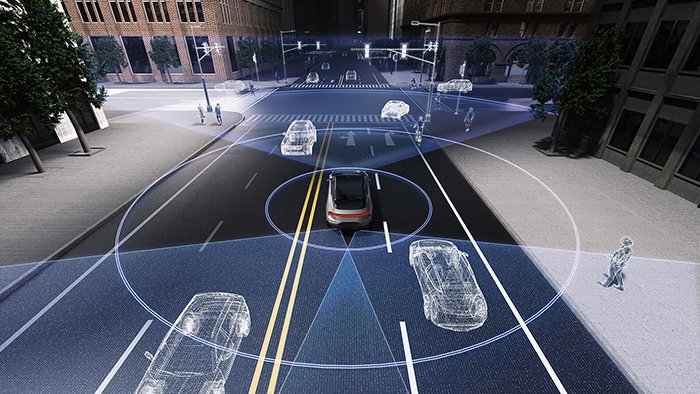
Autonomous systems don’t see the world — they reconstruct it, and the fidelity of that reconstruction determines whether a vehicle stops in time or doesn’t. 3D refers to any geometric representation defined across three spatial coordinates: X, Y, and Z. As defined by industry leaders, 3D modeling involves creating a geometric representation of an object […]

Mechanical LiDAR systems have a fundamental problem — they spin. In high-vibration environments like autonomous forklifts, industrial drones, and highway-speed vehicles, that rotation becomes a liability. Bearings wear. Alignment drifts. Calibration degrades the moment a sensor takes a hard knock on a loading dock or an unpaved road. For applications where perception failure isn’t an […]
 ST-X07
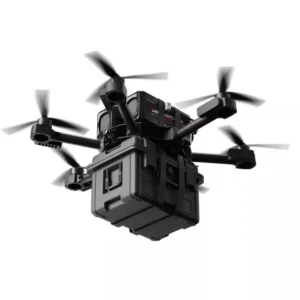 ST-P136 FPV Drone
Original price was: $968.00.$958.00Current price is: $958.00.
ST-P136 FPV Drone
Original price was: $968.00.$958.00Current price is: $958.00.
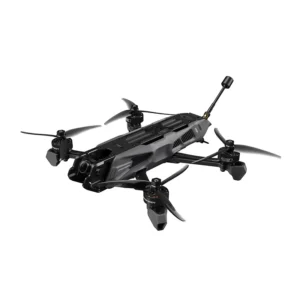 ST-X07 FPV Drone
Original price was: $866.00.$862.00Current price is: $862.00.
ST-X07 FPV Drone
Original price was: $866.00.$862.00Current price is: $862.00.
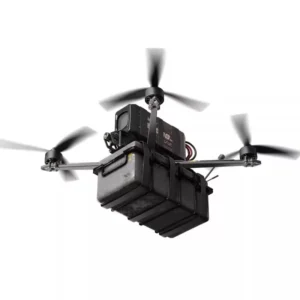 ST-X10 FPV Drone
Original price was: $642.00.$638.00Current price is: $638.00.
ST-X10 FPV Drone
Original price was: $642.00.$638.00Current price is: $638.00.
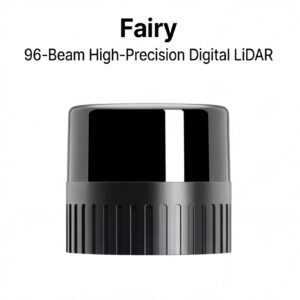 RoboSense B-peael
Original price was: $2,300.00.$2,015.00Current price is: $2,015.00.
RoboSense B-peael
Original price was: $2,300.00.$2,015.00Current price is: $2,015.00.
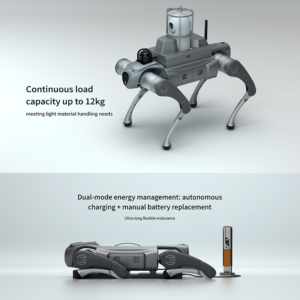 Robotic Dog-C1 Series
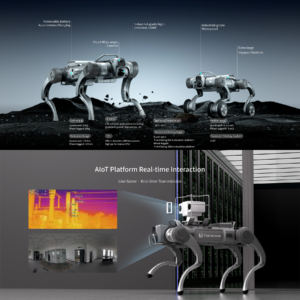 Robotic Dog-E1 Series
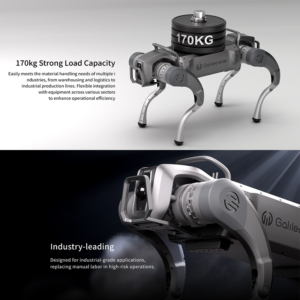 Robotic Dog-S1 Series