
LiDAR sensor manufacturers is a practical buying and integration decision, not just a search term. The quick answer is to define the real scene, choose the scan geometry, validate the output against known targets, and keep enough evidence that the result can be repeated by another operator. This guide uses the current LidarStar data brief for the topic and turns it into a field-ready workflow without hiding behind generic specifications.
If you are comparing sensors or planning a project, start by writing down the object, surface, distance, speed, field of view, mounting point and software output that matter. For a first shortlist, review LiDAR sensor catalog, then connect the topic to LiDAR sensor product families and the existing page most closely related to this brief: https://lidarstar.com/.
The measured signal behind this article is simple: 28 impressions, 0 clicks, CTR 0.0, avg position 79.54, with page behavior noted as 135 views, engagement 0.6435, bounce 0.3565. That does not prove demand by itself, but it does show that buyers are searching for a sharper answer. The article therefore focuses on field setup, specification meaning, validation steps, internal handoff and questions to ask before committing hardware.
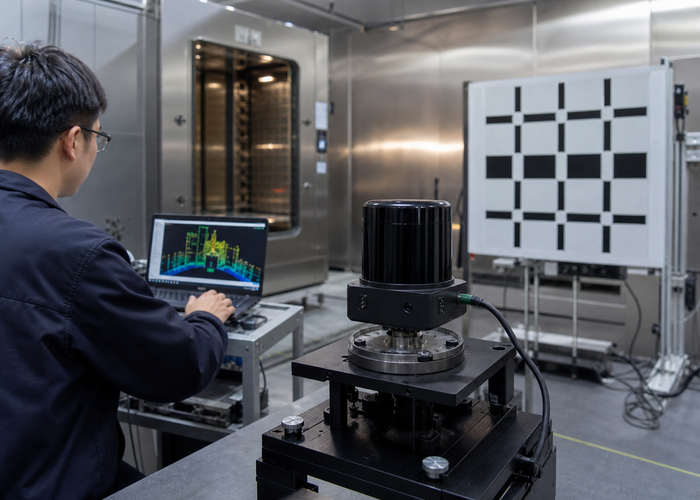
Separate manufacturing capability from sales claims
LiDAR sensor manufacturers becomes easier to specify when the team describes the physical job first. Start with the target, the distance, the mounting position, the expected motion and the operator action that follows the measurement. References such as NIST laser scanner calibration work and NIST ranging tests for laser scanners are useful because they keep the conversation tied to measurement behavior rather than loose claims.
In practice, the important detail is not only whether the sensor can see the scene once. It is whether it can repeat the result after a shift change, after cleaning, after a reboot and after a normal change in lighting or surface condition. That is why LidarStar LiDAR sensor resources should be paired with a short acceptance route before a project team requests a final recommendation.
A good field note names the easy pass condition and the difficult edge case. For manufacturer sourcing, that usually means documenting the surfaces that return weak signals, the angles that hide edges, the cables or brackets that may move, and the software settings that change filtering. The result is a test record another engineer can reproduce instead of a one-time demonstration.
Sample consistency and incoming inspection
LiDAR sensor manufacturers becomes easier to specify when the team describes the physical job first. Start with the target, the distance, the mounting position, the expected motion and the operator action that follows the measurement. References such as FDA laser product safety guidance and OSHA robot-system hazard guidance are useful because they keep the conversation tied to measurement behavior rather than loose claims.
In practice, the important detail is not only whether the sensor can see the scene once. It is whether it can repeat the result after a shift change, after cleaning, after a reboot and after a normal change in lighting or surface condition. That is why LiDAR sensor product families should be paired with a short acceptance route before a project team requests a final recommendation.
A good field note names the easy pass condition and the difficult edge case. For manufacturer sourcing, that usually means documenting the surfaces that return weak signals, the angles that hide edges, the cables or brackets that may move, and the software settings that change filtering. The result is a test record another engineer can reproduce instead of a one-time demonstration.
Decision Table
Use this table as a starting point before choosing a model or requesting a quote. Replace each generic row with your real target, real route, real mounting position and real software interface. The table is deliberately practical because a project decision should survive more than one clean demonstration.
| Decision | Field question | Evidence to keep |
|---|---|---|
| Target and surface | What must LiDAR sensor manufacturers measure in the real job? | Photos, material notes and target examples |
| Geometry | Where are blind spots, edges or steep angles? | Mounting sketch and coverage map |
| Output | Does the system need scan lines, point clouds or objects? | Sample logs and message definitions |
| Acceptance | What result is good enough to act on? | Pass condition, failed examples and retest notes |
Firmware, drivers and traceability
LiDAR sensor manufacturers becomes easier to specify when the team describes the physical job first. Start with the target, the distance, the mounting position, the expected motion and the operator action that follows the measurement. References such as NHTSA weather effects on LiDAR sensors and FMCSA sensor performance guide are useful because they keep the conversation tied to measurement behavior rather than loose claims.
In practice, the important detail is not only whether the sensor can see the scene once. It is whether it can repeat the result after a shift change, after cleaning, after a reboot and after a normal change in lighting or surface condition. That is why robotics LiDAR applications should be paired with a short acceptance route before a project team requests a final recommendation.
A good field note names the easy pass condition and the difficult edge case. For manufacturer sourcing, that usually means documenting the surfaces that return weak signals, the angles that hide edges, the cables or brackets that may move, and the software settings that change filtering. The result is a test record another engineer can reproduce instead of a one-time demonstration.
The video below is included as a practical visual reference for LiDAR field behavior and sensor output. Treat it as orientation, then confirm every important requirement with your own targets, mounting hardware and logs.
Environmental and optical-window checks
LiDAR sensor manufacturers becomes easier to specify when the team describes the physical job first. Start with the target, the distance, the mounting position, the expected motion and the operator action that follows the measurement. References such as NOAA's LiDAR overview and ROS 2 PointCloud2 documentation are useful because they keep the conversation tied to measurement behavior rather than loose claims.
In practice, the important detail is not only whether the sensor can see the scene once. It is whether it can repeat the result after a shift change, after cleaning, after a reboot and after a normal change in lighting or surface condition. That is why industrial automation LiDAR solutions should be paired with a short acceptance route before a project team requests a final recommendation.
A good field note names the easy pass condition and the difficult edge case. For manufacturer sourcing, that usually means documenting the surfaces that return weak signals, the angles that hide edges, the cables or brackets that may move, and the software settings that change filtering. The result is a test record another engineer can reproduce instead of a one-time demonstration.
A Practical Field Scenario
Imagine the first site visit for LiDAR sensor manufacturers. The team has a clean sensor, a laptop, a few mounting options and a route or work area that looks simple at first glance. The useful work begins when the operator marks the points where the scene changes: a tight turn, a dark object, a reflective surface, a steep pile face, a doorway threshold, a moving vehicle, a guarded machine or a shelf edge. Those points should become the test locations, because they reveal whether the measurement is useful under normal work pressure.
The first pass should be deliberately calm. Record the sensor position, height, cable routing, timestamp settings, frame names, filtering settings and software version. Then run the same scene again with one controlled difficulty added. For manufacturer sourcing, that could mean moving the target closer to the edge, changing the viewing angle, adding a matte surface, scanning after a vehicle has disturbed the ground, or repeating the run after the sensor window has been cleaned. The goal is not to make the sensor fail; it is to learn where the operating margin actually sits.
After the run, compare the raw view with the output the machine or operator will actually use. A beautiful point cloud is not enough if the controller receives late data, the volume report loses edge detail, or the robot planner sees a hole near the floor. Save screenshots only as supporting evidence. The files that matter most are the raw log, configuration, mounting photo, measured target notes and final decision. Those records let a second engineer repeat the setup without guessing.
This is also where internal links become useful for project planning rather than decoration. A team may start from 3D LiDAR sensor options, compare deployment patterns in robotics LiDAR applications, and then request a narrowed recommendation through request a LiDAR recommendation. The stronger the field notes, the easier it is to avoid overbuying, under-specifying or selecting a sensor that performs well only in a comfortable demo area.
A second-half check is where many projects improve. Look again at the parts of the route that were not exciting during the demo: black surfaces, wet surfaces, shrink wrap, dust, sunlight, glass, moving people, vibration, high edges, steep pile faces or tight corners. Authoritative references such as ROS 2 LaserScan documentation and neutral LiDAR technology reference help frame risk, but the pass condition still comes from the actual machine or site.
For LidarStar planning, connect the evidence to industrial automation LiDAR solutions, autonomous-driving LiDAR applications and application solutions. A short request that includes target photos, expected range, mounting height, update rate, required output and environment notes is much more useful than a broad request for the best sensor. It lets the recommendation focus on fit, not a catalog label.

Quote package that reduces project risk
LiDAR sensor manufacturers becomes easier to specify when the team describes the physical job first. Start with the target, the distance, the mounting position, the expected motion and the operator action that follows the measurement. References such as neutral LiDAR technology reference and Nav2 collision monitor documentation are useful because they keep the conversation tied to measurement behavior rather than loose claims.
In practice, the important detail is not only whether the sensor can see the scene once. It is whether it can repeat the result after a shift change, after cleaning, after a reboot and after a normal change in lighting or surface condition. That is why request a LiDAR recommendation should be paired with a short acceptance route before a project team requests a final recommendation.
A good field note names the easy pass condition and the difficult edge case. For manufacturer sourcing, that usually means documenting the surfaces that return weak signals, the angles that hide edges, the cables or brackets that may move, and the software settings that change filtering. The result is a test record another engineer can reproduce instead of a one-time demonstration.
Common Mistakes To Avoid
One common mistake is treating maximum range as the only hard number. Range matters, but LiDAR sensor manufacturers usually depends just as much on angular resolution, target reflectivity, update rate, field of view, mounting rigidity and software filtering. A sensor that reaches a distant bright wall may still miss a dark object, soften a pile edge, or produce a delayed output that is not useful for the real action.
Another mistake is testing from a convenient mounting point that will not survive production. Temporary clamps, loose tripods, open laptop carts and clean lab floors can hide the vibration, cable strain, dust and service access problems that appear later. If the final system will live on a robot, vehicle, mast, conveyor, storage bay or outdoor site, the acceptance test should use a mounting position that resembles that final system as closely as possible.
The final mistake is leaving the decision in one person’s memory. Write down why a configuration passed, why alternatives were rejected, and which edge cases still need monitoring. That record protects the project when staff change, when replacement units arrive, when firmware is updated, or when the same design is copied to a second location.
What To Review Before Handoff
Before the project moves from evaluation to handoff, review the evidence with the people who will operate or maintain the system. Ask whether the cleaning access is realistic, whether the cable path can be protected, whether the logs are easy to find, and whether the pass condition is written in language the site team understands. A technically correct setup can still fail if the daily workflow makes it hard to repeat.
For LiDAR sensor manufacturers, the best handoff package is short but concrete: one page of requirements, one mounting photo, one clean log, one difficult log, the configuration file, the selected internal contact path and the reason for the final choice. That package gives purchasing, engineering and operations the same facts, which makes later troubleshooting much faster. It also prevents a later team from repeating the same early uncertainty during service, expansion or repair planning for future deployments.
Project Checklist
Before approving LiDAR sensor manufacturers, confirm the scan position, target surface, minimum and maximum range, required resolution, update rate, interface, timestamp behavior, cleaning access and failure response. Save a clean run and a hard run. Include weather or lighting notes when relevant. Confirm that the receiving software can parse the output and that the operator knows when to rerun a scan.
Also confirm support details. Ask how firmware changes are documented, how replacement units are matched, what sample data is available, which cables and mounts are stable, and how the team should report an edge case. That is especially important when the project will be copied across more robots, vehicles, production cells or sites.
Conclusion
LiDAR sensor manufacturers should end with a repeatable field decision. Define the work scene, collect a small amount of reliable evidence, check the difficult cases and then choose the simplest sensor setup that still has margin. When the result is documented this way, a LidarStar recommendation can move from a broad idea to a practical project plan.
FAQ
What is the first step for LiDAR sensor manufacturers?
Write the physical job in plain language: target, distance, surface, mounting position, output and pass condition.
Should I start with a 2D or 3D sensor?
Start with the action the system must take. A planar task may fit 2D data, while shape, height or volume work usually needs 3D data.
How many field tests are enough?
Use at least one clean run and one difficult run, then repeat after reboot, cleaning or minor mechanical movement.
What should I send when asking for a recommendation?
Send photos, target sizes, range, field of view, mounting constraints, interface needs and examples of failure cases.
Can a lab demo replace site validation?
No. A lab demo is useful, but dust, sunlight, vibration, surface angle, traffic and software timing must be checked in context.
How does LidarStar support LiDAR sensor manufacturers?
The most useful support starts with the project evidence, then narrows the sensor, mounting and integration path around that evidence.